Dr. Arnit Crystal Shalit Children and Vision: Eye Problems in Childhood
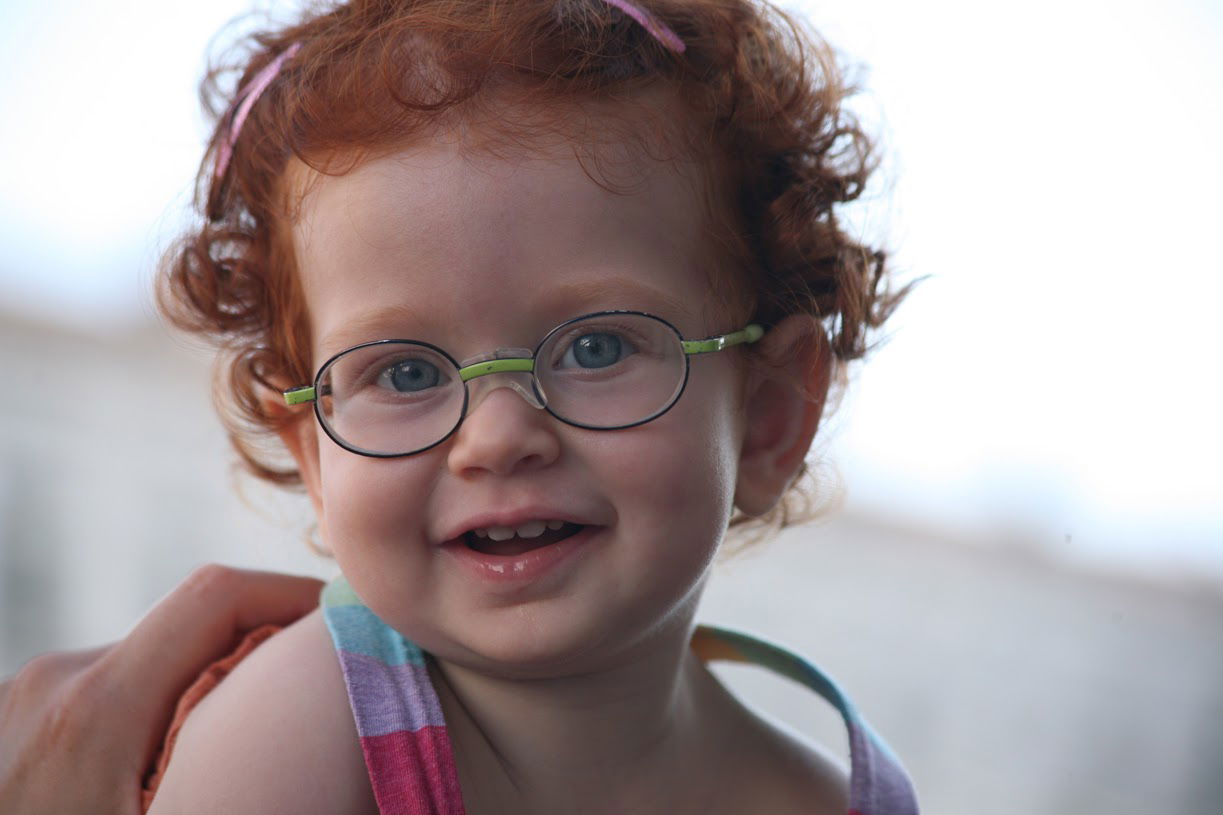
Dr. Arnit Kristal-Shalit, specialist in pediatric ophthalmology and strabismus, senior physician in the Ophthalmology Department at Meir Hospital, Kfar Saba
Pediatric ophthalmology differs from adult ophthalmology for three main reasons. Children, unlike adults, usually do not complain about problems with their vision — either because they have not yet learned to talk, or because they are not aware that it is possible to see better. Unlike an adult who had good vision and now feels it deteriorating, a child with poor vision from a young age simply does not know that it is possible to see differently.
How the Visual System Develops
In the first years of a child's life the visual system develops; it consists of the eyes and the brain areas responsible for processing and decoding the images the eyes receive. Various eye problems in childhood may delay the normal development of this system and cause a "lazy eye" — an eye with poor vision for life. In childhood, certain eye problems appear much more frequently than in adults: strabismus and lazy eye, blocked tear ducts in babies, allergic eye inflammation and more. On the other hand, diseases such as age-related macular degeneration do not occur in children. The visual system has two main roles:
- Providing sharp, clear vision
- Providing binocular vision — which allows depth perception (3D), for example judging the distance from the car ahead of us on the road, or pouring a hot drink into a cup without spilling
Normal development of the visual system depends on appropriate visual stimuli, normal anatomical structure of the eye, straight and parallel alignment of both eyes, and normal brain function. Development takes place during the first 6–7 years of life: in the first months the ability to focus the gaze develops, and in the following years the brain areas responsible for coordinating the eyes and transmitting, processing and decoding visual information into a clear image develop. For this reason, it is very important to detect eye problems at these ages and give appropriate treatment in time. The two most typical problems of childhood are lazy eye and strabismus.
Lazy Eye (Amblyopia)
"Lazy eye", or by its professional name "amblyopia", is a term describing an eye with reduced visual acuity despite normal anatomical structure and without identifiable brain damage.
Causes of Lazy Eye
- A refractive problem — that is, a need for glasses that was not detected or treated in time. In this situation vision is blurred, and the brain receives blurred information that prevents normal development of the brain areas responsible for decoding the image.
- Strabismus — which causes the brain to deliberately ignore the image received by one of the eyes in order to avoid double vision. As a result, vision in that eye may decrease.
- Eye problems that prevent sharp vision, such as a congenital cataract that was not operated on early. Even if the cataract is operated on at a later age, it will be difficult to optimally improve visual acuity. (This case does not exactly match the classic definition of "lazy eye", since it involves an anatomical defect in the eye, but it is commonly included as a cause of lazy eye.)
Why Lazy Eye Is Hard to Detect
Unlike strabismus, most cases of which can be noticed by those around the child, in cases of lazy eye the poor vision is felt only by the child — and sometimes not even by them, due to very good vision in the other eye that compensates. Many children do not complain about their poor vision, because they cannot yet express themselves or are not aware that better vision is possible. This is why routine eye exams are recommended in childhood even without complaints from the children.
Treating Lazy Eye
Treatment first and foremost requires treating the cause — for example, providing glasses when needed. In many cases it is also necessary to give the weak eye an "incentive" to "work harder", by "weakening" the strong eye in various ways: covering it with a patch for several hours a day, or blurring its vision with drops or glasses. Treatment may last many months. The earlier it begins, the greater the chances of significant improvement in visual acuity in the lazy eye.
Strabismus
Strabismus is a condition in which the two eyes are not straight and parallel to each other, so they are not focused on the same target — which creates double vision. At a young age, the brain can learn to ignore the image received by one of the eyes to avoid double vision, but this is exactly what leads to the development of a lazy eye. In addition, strabismus can harm the development of binocular vision: depth perception is reduced or absent, and double vision makes activities like reading difficult — which burdens daily functioning.
Strabismus in Babies — When It's Normal and When It's Not
Because the ability to focus the gaze is not sufficiently developed in babies, a mild squint may appear in the first months of life. This squint is considered "acceptable" up to the age of four months, but if it continues beyond that — an ophthalmologist should be consulted. Strabismus in its various forms occurs in about 2% of the population, usually in the first years of life, but it can also appear at an older age.
Causes of Strabismus
- Lazy eye — the eye with poor vision cannot focus together with the other eye and "wanders".
- Refractive problems — a need for glasses that were not given in time, causing blurred vision that prevents joint focusing.
- Eye injuries that cause reduced visual acuity.
- Neurological problems (brain-related or other) that affect the nerves operating the eye muscles.
The Main Types of Strabismus
- Inward squint (Esotropia) — the eyes turn toward the nose. It should be distinguished from "pseudostrabismus", a condition in which a wide nasal bridge creates the illusion that the eyes are close together. This is common in some babies and passes with age — but in any case of suspicion, an ophthalmologist exam is recommended.
- Outward squint (Exotropia) — the eyes "drift away" from the nose. This form is more common in cases that begin at an older age.
Why It's Important to Treat Strabismus Early
Beyond its effect on the development of the visual system, strabismus also has an aesthetic and social aspect. In cases of outward squint it is sometimes hard to tell where the person is looking, which can confuse others and create awkward situations. In other cases strabismus draws hurtful remarks from others, which can harm the child's self-confidence and social integration.
Treating Strabismus
Treatment should begin as early as possible, and includes two components:
- Conservative (non-surgical) treatment: providing glasses as needed, strengthening vision in the lazy eye, and in selected cases — exercises to strengthen the eye muscles.
- Surgical treatment: moving the eye muscles in surgery to bring the eyes into straight, parallel alignment. The success of the surgery depends on many factors, including visual acuity in each eye (it is best to strengthen a lazy eye before surgery). Success rates are high, and if necessary — additional conservative treatment can be added after surgery, or another operation can be performed.
Recommended Eye Exams for Children
In Israel, eye exams are performed at well-baby clinics (Tipat Halav), kindergartens and schools. These are quick "screening" tests aimed at detecting obvious defects in eye function — but they are not a substitute for a comprehensive exam by a skilled ophthalmologist. Routine eye exams are recommended:
| Age | Purpose of the exam |
| 6–8 months | Making sure focusing and vision are developing properly, and that any squint from infancy has disappeared |
| 3 years | A more accurate assessment of visual acuity, when the child can already identify shapes and pictures on an eye chart |
| 5 years | Before starting school — making sure visual acuity and visual functions are normal and will not be an obstacle to learning |
Dr. Arnit Kristal-Shalit, specialist in pediatric ophthalmology and strabismus, senior physician in the Ophthalmology Department at Meir Hospital, Kfar Saba